
Family game night is worth the effort because it gives everyone a reason to sit at the same table and stay there for a while. Phones stay in pockets, people laugh at the same jokes, and kids get to beat grown-ups at something without it feeling like a lecture. It doesn't need to be fancy or long to work.
Part of the appeal is that the time together doesn't have to feel like a chore for anyone. A game gives people something to focus on, so conversation tends to flow without anyone having to force it. A quick round of a card game after dinner can turn into a funny story that gets retold for weeks.
Game night also teaches small, useful skills without anyone calling it a lesson. Kids practice taking turns, reading the room, and handling a loss. Adults get a chance to be silly and to see how everyone else thinks. Simple games with easy rules let people learn as they go.
Regular game night gives the family a routine to look forward to. Pick a night that's fairly stable, like Friday or the first Sunday of the month, and put it on the calendar. Even if the schedule slips now and then, having a standing time makes it more likely to happen.
Keep the first few sessions light. Choose one game that's quick to explain and let people pick a snack. If the night goes well, it will become something everyone expects, and that's when it starts to feel like a family tradition.
Picking Games That Fit Different Ages
Most families have a mix of ages at the table, and a game that thrills a teenager can leave a seven-year-old lost. The trick is to match the game to the youngest player's reading level and the oldest player's patience, then see if it still holds everyone's interest.
For the youngest kids, look for games that rely on pictures, simple matching, or a quick guess. The Guess The Gibberish Card Game for Families by Relatable is built around reading and saying silly made-up words, so kids who are still sounding out words may need a grown-up to read the cards for them. The Piles Card Game for Kids and Families is a good pick when you want a fast, low-stress round where nobody has to hold a lot of rules in their head.
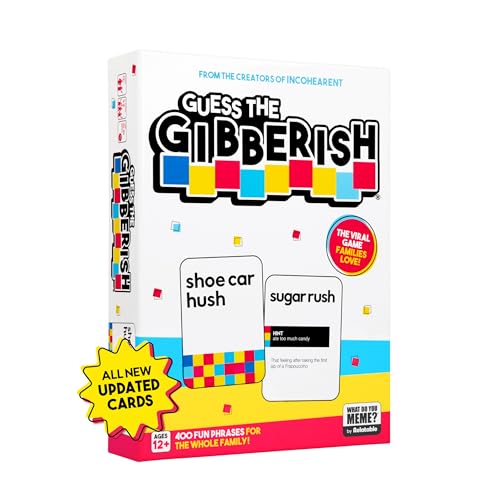
Guess The Gibberish Card Game for Families by Relatable
A family card game where you decode scrambled phrases against a one minute sand timer.
Product information
Our review: 4.2 out of 5
Product links
Once kids can read well and handle a few steps, the age gap starts to matter less. Trivia games can work across a wide range of ages if you mix up the teams. Put a younger kid with an older sibling or a grandparent, and let the pair share the answers. The Hasbro Trivial Pursuit Family Edition Board Game is a classic choice for that kind of mixed-age team play. The Christmas Trivia Game with 300 Questions for Families is another option when you want a themed night and a quick set of questions to read aloud.
A few buying factors help you sort the good fits from the frustrating ones:
- Check the age range printed on the box, then ask yourself if the youngest player can follow the rules without constant help.
- Count how many players the game supports and how many you usually have. A game that needs four people can fall flat with two.
- Think about how long one round takes. A slow game can lose a young player's attention before the middle.
- Look for a game that lets people sit out a turn or jump back in easily, so nobody feels stuck waiting.
Setting Up a Game Night Everyone Enjoys
Setting up game night doesn't take much, but a few small choices make a big difference. Start with the seating. Put younger players where they can see the cards or board and where a grown-up can reach them quickly. Keep snacks on a side table, not in the middle of the playing area, so nobody knocks over a drink onto the cards.
Next, set a rough game plan before anyone sits down. Decide whether you'll play one longer game or two or three quick ones. Some families like a short warm-up round so people can get the feel of things, then move on to the main event. If you're playing with a mix of ages, let the youngest player pick the first game, and let the oldest player pick the second. It's a small thing, but kids notice when their choice gets treated seriously.
Before the first turn, read the rules out loud together, or assign one person to explain them in plain words. Keep it to the basics. You can always skip rare rules and add them later once everyone's comfortable. If a rule book runs long, check the maker's instructions for the parts that matter most for your game and leave the rest for another night.
A few things help keep the mood good once play starts:
- Agree on a simple house rule for slow players, like a short timer for each turn.
- Let people who finish early help the youngest player sort cards or count points, so no one sits idle.
- Pause for a quick break if anyone looks restless. A stretch or a glass of water resets the table.
- Keep a pencil and paper handy for scores, especially if you play a game that tracks points across rounds.
Finally, pick a clear way to end the night. Some families finish the game, others stop after a set number of rounds. Choosing this ahead of time keeps the last half hour from dragging, and it leaves everyone wanting to come back next time.
Pros
- Family board games give everyone at the table something to do at the same time, so nobody is stuck watching a screen.
- Most family games use simple rules that kids can pick up quickly, while the strategy still keeps adults interested.
- Trivia games like Hasbro Trivial Pursuit Family Edition let different ages answer questions and cheer each other on.
- Card games are easy to tuck into a bag or drawer, which makes them simple to pull out for a quick round after dinner.
- Many family games come with built-in conversation starters, so players often end up talking and laughing more than they expected.
Cons
- Family board games often run longer than the box suggests, and a slow turn can drag when younger kids lose focus.
- Trivia games depend on what the players already know, so a mixed-age group can end up with some people sitting out more than others.
- Card games with fast rules can be hard for little ones to follow, and they may need an adult to explain things more than once.
- Party-style games that rely on people saying silly or personal things can feel awkward for families who want a quieter night.
- Many family games are built for a set range of players, so a larger or smaller group may need a different game or some house rule changes.
Quick Tips for Your Next Game Night
Tired of the same three games? Try mixing in a new one each month and see what sticks. A short list of options keeps the choice simple.

Mattel Games UNO Card Game, Ages 7+, 2-10 Players
A classic card game where matching colors and numbers gets you racing to empty your hand first.
Product information
Our review: 4.5 out of 5
Product links
Start by asking everyone what they'd like to play before you open the box. Teens often want something with a bit of bluffing or quick reactions, while younger kids usually want to win a round or two. If you can't agree, rotate the pick so each person chooses one game in turn. That alone can cut down on the grumbling.
Keep a small stash of go-to games in one place, like a closet shelf or a bin by the couch. When you can grab a game in under a minute, you're more likely to play on a random Tuesday. Put a sticky note on the box with the player count and rough time so you can match the game to the group at a glance.
Some families like to make the night a little themed. Pick a snack that matches the game, play a trivia round with a few easy questions for the little ones, or let the winner choose the next game. Small touches like these make the night feel like an event without any extra work.
If you're using the Herd Mentality Board Game for Family Game Nights, the Spoons in a Case Playing Card Game for Families, or the Monopoly Deal Card Game for Families and Kids, check the rules sheet before the first round to see how much table space you'll need. Clear a spot with room for cards and a few drinks, and you'll spend more time playing and less time hunting for stray pieces.

